
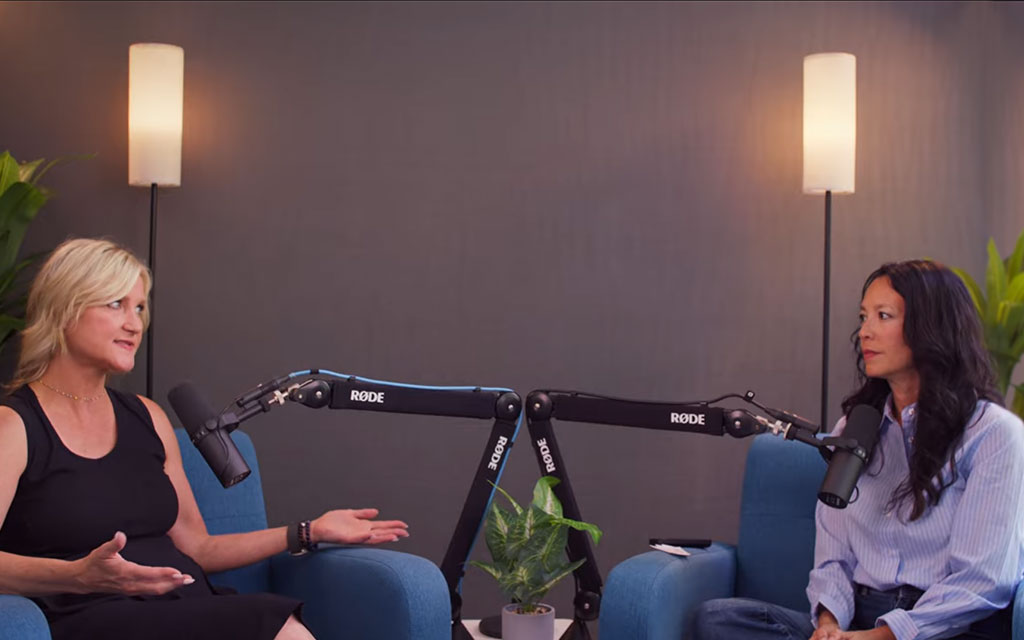
Infertility and reproductive challenges are more common than many people realize, yet they are rarely discussed openly. In this episode of The Anchored Minds Podcast, host Lana Doan speaks with Darcy Thachuk (MSW, RSW), founder of Darcy Thachuk Reproductive Health Counselling, a registered social worker and reproductive counsellor based in Windsor, Ontario. Together, they explore the emotional, psychological, and social aspects of fertility journeys; from grief and resilience to the expanding possibilities of modern family building through donor conception and embryo donation.
Redefining Parenthood in a Changing World
Today, families are formed in many different ways. For some, this may mean fertility preservation through egg freezing. For others, it might involve assisted reproductive technologies such as IUI (intrauterine insemination) or IVF (in vitro fertilization), donor conception, or adoption. The common thread across these experiences is a deep longing for connection and belonging, a theme evident in every fertility story.
A reproductive counsellor assists individuals and couples in navigating not only the medical aspects of these decisions but also the emotional landscape that includes grief, uncertainty, and shifting identity.
“There is no box when it comes to parenthood,” Darcy shares. “We have to take that away that concept because everyone is so unique. So to have one set definition of this journey it’s just really impossible”
The Emotional and Psychological Impact of Fertility Challenges
Common Emotional Experiences Include:
- Grief (due to loss of plans, failed treatments, or pregnancy loss)
- Shame and isolation
- Anger and frustration
- Anxiety about the future
- Strain in relationships
“Infertility is a trauma,” Darcy explains. “It is a very difficult journey and I don’t want to minimize that because it does impact all parts of your life; your relationships, how you move through your work, how you eat, how you relate to others, how you see yourself. So there’s so many ripple effects from this journey.”
Grief, Loss, and the Power of Acknowledgment
One of the most overlooked aspects of reproductive health is the grief that accompanies it. This grief goes beyond miscarriages or failed treatments; it also encompasses the quiet losses, such as the dream of how life “was supposed to be,” the sense of control over one’s future, and expectations shaped by culture or family.
Darcy emphasizes the importance of validating these emotions. When grief is acknowledged, healing becomes possible. If dismissed, it often turns inward, manifesting as shame or hopelessness.
Understanding Fertility Treatments and Options
For many individuals, the path to parenthood involves complex medical decisions. Common starting points include treatments like IUI (intrauterine insemination) and IVF (in vitro fertilization), while donor conception and embryo donation provide new possibilities for family building. Each option carries both physical and emotional weight. Reproductive counsellors play a vital role in preparing clients for the realities of these processes, helping them find clarity amid uncertainty and resilience at each stage of treatment.
The Role of a Reproductive Counsellor
Sessions May Focus On:
- Regulating the nervous system
- Improving communication between partners
- Processing grief and loss
- Building emotional resilience
- Making values-aligned choices
This trauma-informed, strengths-based approach helps clients rebuild confidence, manage stress, and cultivate hope regardless of where their journey leads.
Social Media and the Pressure to “Keep Up”
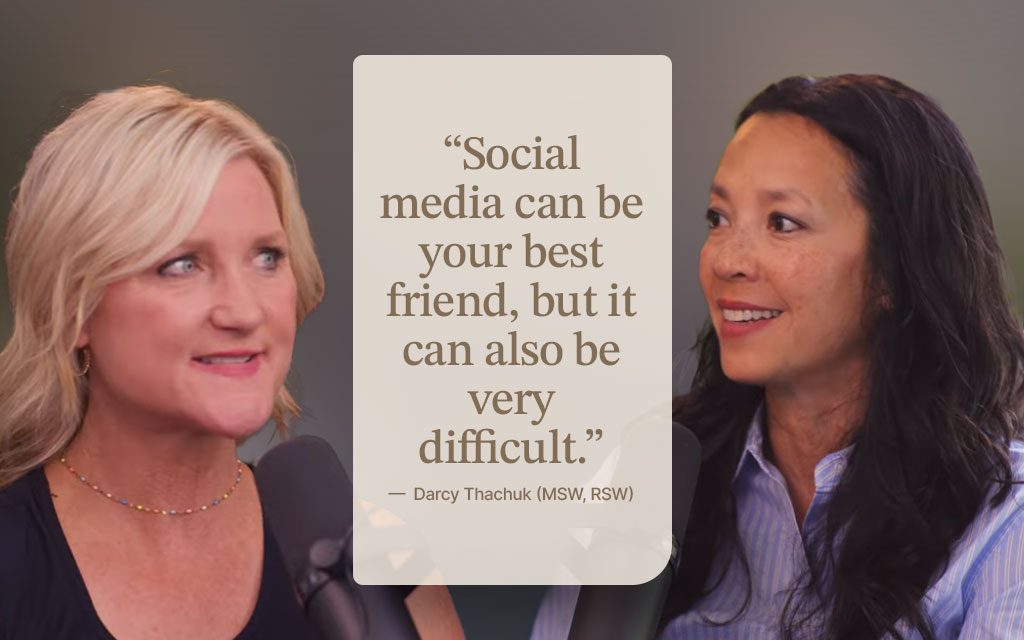
In today’s age of online sharing, social media can be both a source of comfort and pain. Seeing others’ pregnancy announcements or success stories can intensify feelings of inadequacy or failure. Darcy encourages clients to navigate digital spaces mindfully: Curate your feed, step back from triggering content during treatments or results. Protect your peace. It’s not selfish; it’s necessary.
Setting healthy boundaries around technology and community engagement allows clients to stay grounded in their own journey without falling into the comparison trap.
Financial and Systemic Barriers to Fertility Care
Key insights include:
- Some provinces, like Ontario, offer funded IVF programs, though the criteria can vary.
- Private clinics and insurance plans may provide limited support.
- Advocacy and awareness are improving access and compassion in policy and healthcare conversations.
Finding Hope in the Process
“It’s the empowerment and knowing that we’re not alone in this journey. And life is hard. And when this grief happens, we have to remember that it’s our humanness and we can do this and we’re not alone.”
Three Key Takeaways
- Infertility is not just a medical issue; it is an emotional journey. Beneath every fertility struggle lie layers of grief, shame, and questions about identity. These emotional experiences deserve as much care and attention as the physical aspects of treatment.
- Family building today looks different, and that is perfectly okay. With options like assisted reproduction, donor conception, and embryo donation, there are many wonderful ways to grow a family. This path can be complex, and allowing yourself grace throughout the journey is an essential part of the process.
- Support and understanding can be transformative. Whether it comes from counseling, community, or open and honest conversations, no one should face fertility challenges alone. Compassionate support can make a significant difference in finding hope and clarity.
Closing Thoughts
Every fertility journey encompasses both challenges and resilience. Reproductive counselors like Darcy and Lana combine their professional expertise with personal experiences to provide something invaluable, hope rooted in understanding and healing grounded in connection.
If you or someone you know is facing fertility challenges or loss, remember: you are not alone.
Begin Your Path Toward Healing and Clarity
Fertility and family-building journeys can be overwhelming, but you don’t have to face them alone. Whether you are dealing with reproductive challenges, donor conception, or the emotional toll of infertility, compassionate and trauma-informed support can help you achieve balance, resilience, and renewed hope.
Book an appointment with Lana Doan today and take the next step toward understanding, healing, and empowered decision-making on your path to parenthood.