
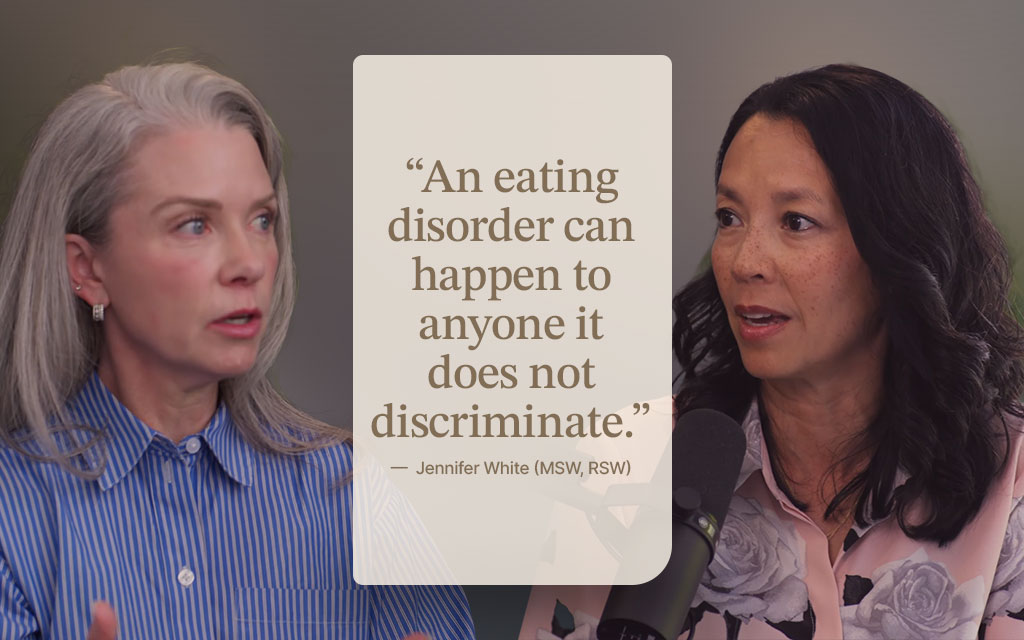
Eating disorders are often misunderstood, overlooked, or minimized, yet they profoundly impact individuals and families. In this insightful conversation, host Lana Doan speaks with Jennifer White (MSW, RSW), a psychotherapist with nearly two decades of experience specializing in eating disorder treatment.
Together, they explore the realities of these illnesses, the early signs families should watch for, and the compassionate approaches that can help young people heal. This blog highlights key insights from their discussion and offers clear, supportive guidance for anyone seeking to better understand eating disorders.
Understanding Eating Disorders: More Than Dieting
Eating disorders are not just a stronger form of “picky eating” or a temporary dieting phase. They are serious mental health disorders that affect thoughts, emotions, behaviors, and the body. Jennifer emphasizes that eating disorders interfere with health, social functioning, and emotional well-being going far beyond typical diet concerns.
“Generally speaking, dieting is not going to cause problems with your health or your social or emotional functioning, where an eating disorder is interfering with multiple facets of your life.”
Understanding Eating Disorders and Disordered Eating Patterns
- Anorexia Nervosa – marked by extreme food restriction, intense fear of weight gain, and distorted body image, which can lead to serious physical and emotional issues if untreated.
- Bulimia Nervosa – involves binge eating followed by compensatory behaviors like vomiting or excessive exercise, often leading to feelings of shame and secrecy.
- Binge Eating Disorder (BED) – consists of recurrent episodes of uncontrolled eating without purging, resulting in emotional distress and guilt.
- Avoidant/Restrictive Food Intake Disorder (ARFID) – characterized by sensory sensitivities or fear of negative experiences related to food, leading to nutritional deficiencies and difficulties in social eating.
- Extreme Picky Eating That Impacts Health – This involves very limited food preferences that disrupt nutrition and daily functioning, resembling ARFID challenges.
- Restrictive Eating Without Weight-Loss Motivation – Some restrict food intake due to anxiety or rigid food rules, not primarily for body image concerns, which can still affect health and emotional well-being.
ARFID and Early Warning Signs Families Should Notice
ARFID often manifests as “extreme picky eating,” but with consequences that affect physical health, growth, and functioning. Jennifer stresses the importance of families observing changes in attitude, behavior, and social engagement related to food.
“Oftentimes they’re acting maybe a little bit more defensive if we start to ask that young person about why they’re avoiding these certain foods… and they get sort of angry or defensive or explosive and that’s out of character for that child. Those are all things to be worried about.”
Possible Early Warning Signs
- Cutting out entire food groups (carbs, dairy, fats)
- Avoiding social events involving food
- Reading labels obsessively
- Sudden defensiveness around eating
- Personality changes: withdrawal, irritability
- Avoiding “fun foods” such as birthday cake or snacks
Eating Disorders Can Affect Anyone
Eating disorders are often misunderstood, and one of the most harmful myths is that they only affect certain types of people. In reality, they can impact individuals of all ages, backgrounds, genders, and identities. Reducing stigma begins with recognizing that these conditions do not fit a single mold and that anyone can struggle with them, often silently.
Genetics & Why Dieting Is Dangerous for Kids
Eating disorders are complex conditions that often have a significant genetic component, suggesting that individuals may inherit a predisposition to these disorders.
Research indicates that certain genes can remain dormant within a person until they are triggered by external stressors, such as restrictive dieting, significant illness, or traumatic experiences.
These factors can serve as catalysts, leading to the emergence of symptoms associated with eating disorders like anorexia nervosa, bulimia nervosa, or binge-eating disorder. Understanding the interplay between genetics and environmental influences is crucial for developing effective prevention and treatment strategies.
“The word dieting has now been cloaked in other terms: Lifestyle change, clean eating, calorie deficit, all of these things are just fancy ways of saying dieting. Just because it’s not Weight Watchers it’s not dieting.”
Why Kids Should Never Diet
- Dieting is a known environmental trigger
- Many eating disorders begin with “healthy lifestyle changes”
- Restriction can activate dormant genes
- “Clean eating,” calorie deficits, or tracking apps are still dieting
- Kids need fuel, not rules
Family-Based Recovery & CBT Tools
Recovery from an eating disorder is never a solitary journey; family support, empathy, and consistent routines play a vital role in the healing process.
While younger individuals tend to benefit most from a family-based approach, older teens and adults often respond well to structured therapeutic methods like CBT (Cognitive Behavioral Therapy).
In addition to these approaches, other tools such as narrative reframing, medical monitoring, and body-image strategies (like limit your time in front of the mirror to avoid losing sight of your true self or planning “comfort outfits”) contribute to a comprehensive path toward recovery.
“We’re repairing our relationships with our bodies and developing strategies to deal with anxiety and depression, as well as addressing any past traumas that may be affecting us.”
What Recovery Really Looks Like
Recovery from an eating disorder is a deeply personal and often challenging journey that rarely follows a straight or predictable path. Many individuals experience periods of progress followed by setbacks, but these moments do not mean you are failing; they are simply part of the healing process.
Long-term recovery is best supported by a combination of early intervention, consistent nourishment, and a support system that may include family, therapeutic guidance, and structured care. When these elements work together, healing becomes not only possible but also sustainable.
“If we catch the eating disorder in the first year, there’s a 90% chance of a long-term recovery.”
Recovery May Include
- Physical rehabilitation (eating enough + variety)
- Rebuilding brain health
- Reducing body dysmorphia behaviors
- Managing anxiety and depression
- Reducing screen time and comparison triggers
- Realistic coping strategies (“have a plan B,” social-media breaks)
Closing Thoughts
Eating disorders are complex and deeply personal. However, with compassionate support, early intervention, and evidence-based treatment, young people and families can reclaim their lives.
Understanding the signs, avoiding dieting culture especially for children and approaching these challenges with empathy can significantly improve recovery outcomes. This highlights not only the challenges but also the real hope for recovery.
Find the Support You Deserve
If you are looking for more information on this topic, Lana can provide grounded, empathetic insights specifically tailored to your needs.
For more information, please contact Lana Doan today.